Bortezomib proteasome inhibitor, reversible boronic acid
acts on 20S proteasome, beta-5 subunit
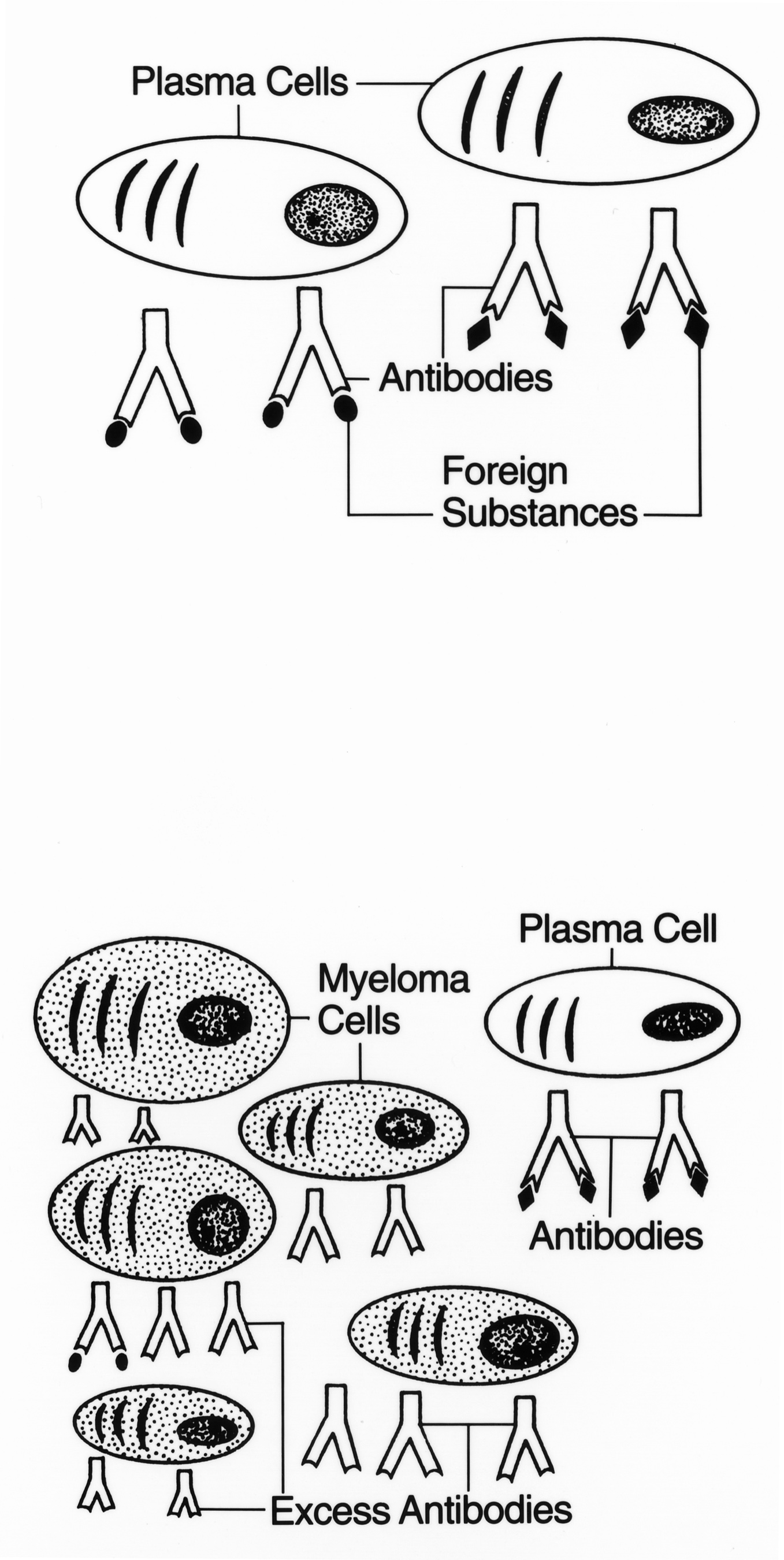
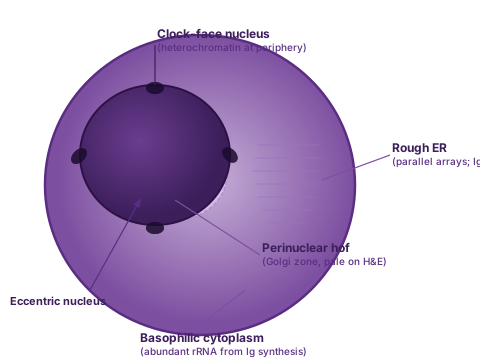
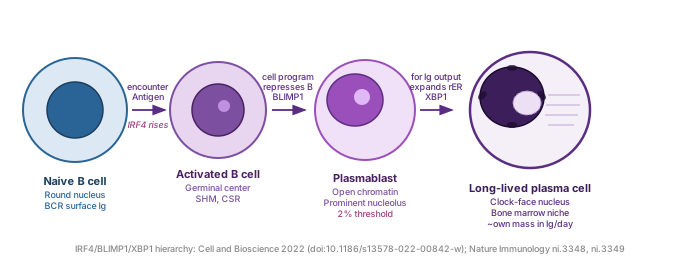
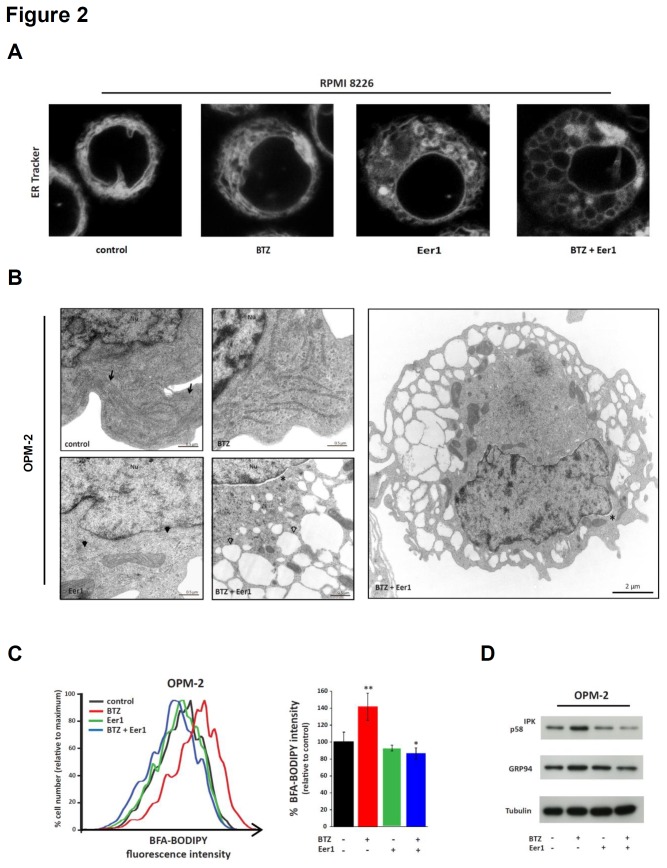
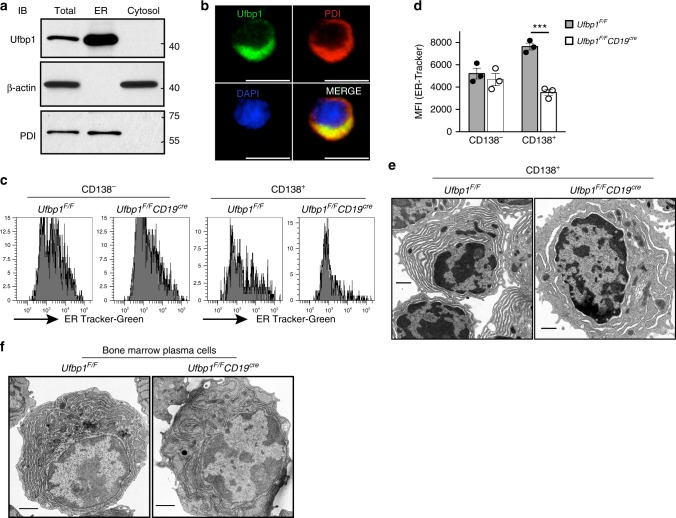
Blocks proteasomal degradation of misfolded immunoglobulin chains. The plasmocyte already runs its endoplasmic reticulum near capacity, so the undegraded load tips it into terminal ER stress and apoptosis. This is why the cell that secretes the most protein is the cell most sensitive to proteasome inhibition. First proteasome inhibitor approved, 2003.
Carfilzomib proteasome inhibitor, irreversible epoxyketone
acts on 20S proteasome, beta-5 subunit, selective
Binds the beta-5 subunit irreversibly rather than reversibly, giving more sustained proteasome blockade than bortezomib and activity in bortezomib-refractory disease.
Ixazomib proteasome inhibitor, oral boronic acid
acts on 20S proteasome, beta-5 subunit
The first orally available proteasome inhibitor, same mechanistic class as bortezomib.
Lenalidomide immunomodulatory drug (IMiD)
acts on cereblon, substrate receptor of the CRL4-CRBN ubiquitin ligase
Binds cereblon and redirects the CRL4-CRBN ubiquitin ligase onto IKZF1 (Ikaros) and IKZF3 (Aiolos), transcription factors the myeloma plasmocyte needs to survive. Degrading them kills the cell. Intrinsic and acquired loss of cereblon is the main route to resistance.
Thalidomide immunomodulatory drug (IMiD)
acts on cereblon, CRL4-CRBN ubiquitin ligase
Same cereblon-directed mechanism as lenalidomide and pomalidomide: degradation of IKZF1 and IKZF3.
Pomalidomide immunomodulatory drug (IMiD)
acts on cereblon, CRL4-CRBN ubiquitin ligase
Same cereblon-directed degradation of IKZF1 and IKZF3; used in later lines, including after lenalidomide.